Contents
Introduction
Understanding Pneumatic Double Eccentric Designs
The Benefits of Pneumatic Double Eccentric Butterfly Valves for Demanding Applications
Superior Performance in Harsh Operating Environments
How Pneumatic Double Eccentric Designs Improve Control and Efficiency
Comparing Pneumatic Double Eccentric Butterfly Valves with Traditional Valve Designs
Key Applications and Industries Adopting Pneumatic Double Eccentric Valves
Why the Industry Standard is Shifting
Conclusion
FAQ
Introduction
The demand for high-performance valve systems is on the rise, particularly in industries requiring precision, durability, and efficiency under challenging conditions. Among the various valve technologies, the Pneumatic Double Eccentric Butterfly Valve has rapidly emerged as the industry standard for demanding applications. This evolution is driven by its remarkable ability to handle high pressures, extreme temperatures, and tight operational tolerances, all while minimizing maintenance costs and downtime.
In this article, we will explore why pneumatic double eccentric designs are becoming increasingly important in industries like oil and gas, chemicals, pharmaceuticals, and power generation. We will look into the core advantages of this valve design, its ability to outperform traditional valve types, and how it meets the stringent needs of modern applications.
Understanding Pneumatic Double Eccentric Designs
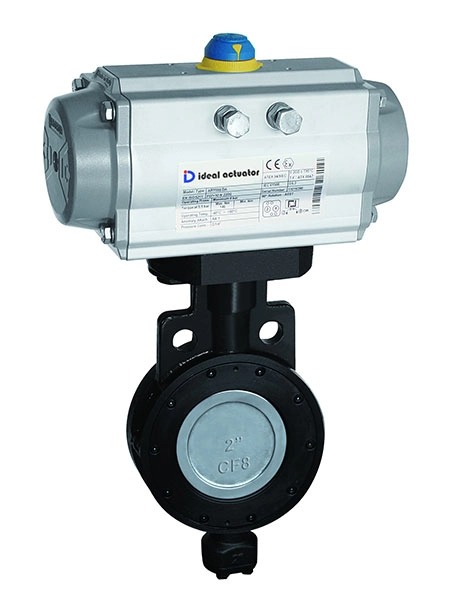
A Pneumatic Double Eccentric Butterfly Valve is a type of quarter-turn valve used to regulate the flow of fluids or gases. Unlike traditional butterfly valves, the double eccentric design features two offset pivot points, which enhance its sealing and operational efficiency.
The two eccentricities mean that the valve disc does not move directly along its axis, reducing friction and contact with the valve body. This design principle minimizes the wear and tear commonly seen in conventional valves, leading to a longer service life and reduced maintenance needs.
Key Components:
Pneumatic Actuator: Provides automated control of the valve’s operation.
Double Eccentric Disc: The offset disc design ensures better sealing and reduces mechanical stress.
Valve Body: Typically made from robust materials like stainless steel or other alloys to withstand demanding environments.
This design is specifically engineered to handle high pressure, extreme temperatures, and aggressive fluids, making it a preferred choice for industries dealing with severe conditions.
The Benefits of Pneumatic Double Eccentric Butterfly Valves for Demanding Applications
Reduced Wear and Tear
One of the primary advantages of Pneumatic Double Eccentric Butterfly Valves is their durability. The two eccentric pivot points reduce the amount of friction that would normally cause excessive wear between the valve disc and seat. This not only extends the valve’s lifespan but also helps in maintaining performance over time, even under harsh operating conditions. The reduced wear translates to fewer maintenance interventions and lower operational costs, particularly in high-demand industries where equipment uptime is crucial.
Enhanced Seal Integrity
Seal integrity is essential in applications where leakage is a critical concern, such as in oil and gas or chemical processing plants. The double eccentric design improves the valve’s sealing capacity by ensuring that the valve disc opens and closes smoothly, creating a tighter seal. As a result, these valves are ideal for applications that require leak-free operation, even in high-pressure or high-temperature settings.
Superior Performance in Harsh Operating Environments
Pneumatic Double Eccentric Butterfly Valves excel in harsh environments where other valve designs might fail. Whether dealing with high-pressure gas lines, extreme chemical agents, or fluctuating temperatures, these valves can withstand a wide range of conditions while maintaining optimal functionality.
For instance, in industries like power generation, where temperatures can soar or in oil pipelines where pressure is critical, the double eccentric design minimizes the chance of valve failure due to stress and wear. The design’s robustness allows it to perform consistently, reducing the likelihood of unplanned shutdowns or operational failures.
Additionally, the reduced friction means less mechanical stress on the components, allowing the valve to operate smoothly even when exposed to corrosive or abrasive substances. This makes the Pneumatic Double Eccentric Butterfly Valve an essential tool in industries where equipment longevity and reliability are paramount.
How Pneumatic Double Eccentric Designs Improve Control and Efficiency
One of the most significant advantages of the Pneumatic Double Eccentric Butterfly Valve is its enhanced control capabilities. The pneumatic actuator, combined with the double eccentric disc, offers precise regulation of fluid or gas flow.
The precision in control allows for better system efficiency, particularly in processes requiring exact measurements, such as in chemical dosing or mixing operations. By ensuring that the valve closes fully and seals tightly, the double eccentric design prevents leakage, which can otherwise lead to product loss or operational inefficiencies.
Moreover, these valves can be easily integrated with automated control systems, further enhancing their ability to maintain optimal performance in automated processes. The precise, responsive control mechanisms also lead to better energy efficiency, as the system only uses the necessary amount of power to open or close the valve.
Comparing Pneumatic Double Eccentric Butterfly Valves with Traditional Valve Designs
While traditional valve designs, such as the single eccentric and concentric butterfly valves, have been in use for decades, they cannot match the performance and durability of pneumatic double eccentric valves in demanding applications.
Table 1: Comparison Between Pneumatic Double Eccentric and Traditional Valve Designs
| Feature | Pneumatic Double Eccentric Butterfly Valve | Traditional Butterfly Valve |
| Friction | Reduced due to double eccentricity | Higher friction, leading to wear |
| Sealing Efficiency | Superior sealing with minimal leakage | Moderate sealing capabilities |
| Service Life | Longer due to reduced wear and tear | Shorter service life in harsh environments |
| Pressure and Temperature Resistance | High resistance to extreme conditions | Limited resistance to high pressure or temperature |
| Maintenance Requirements | Low maintenance due to durable design | High maintenance due to frequent wear |
As shown, Pneumatic Double Eccentric Butterfly Valves outperform traditional designs in nearly every category, making them the superior choice for industries requiring reliability and precision.
Key Applications and Industries Adopting Pneumatic Double Eccentric Valves
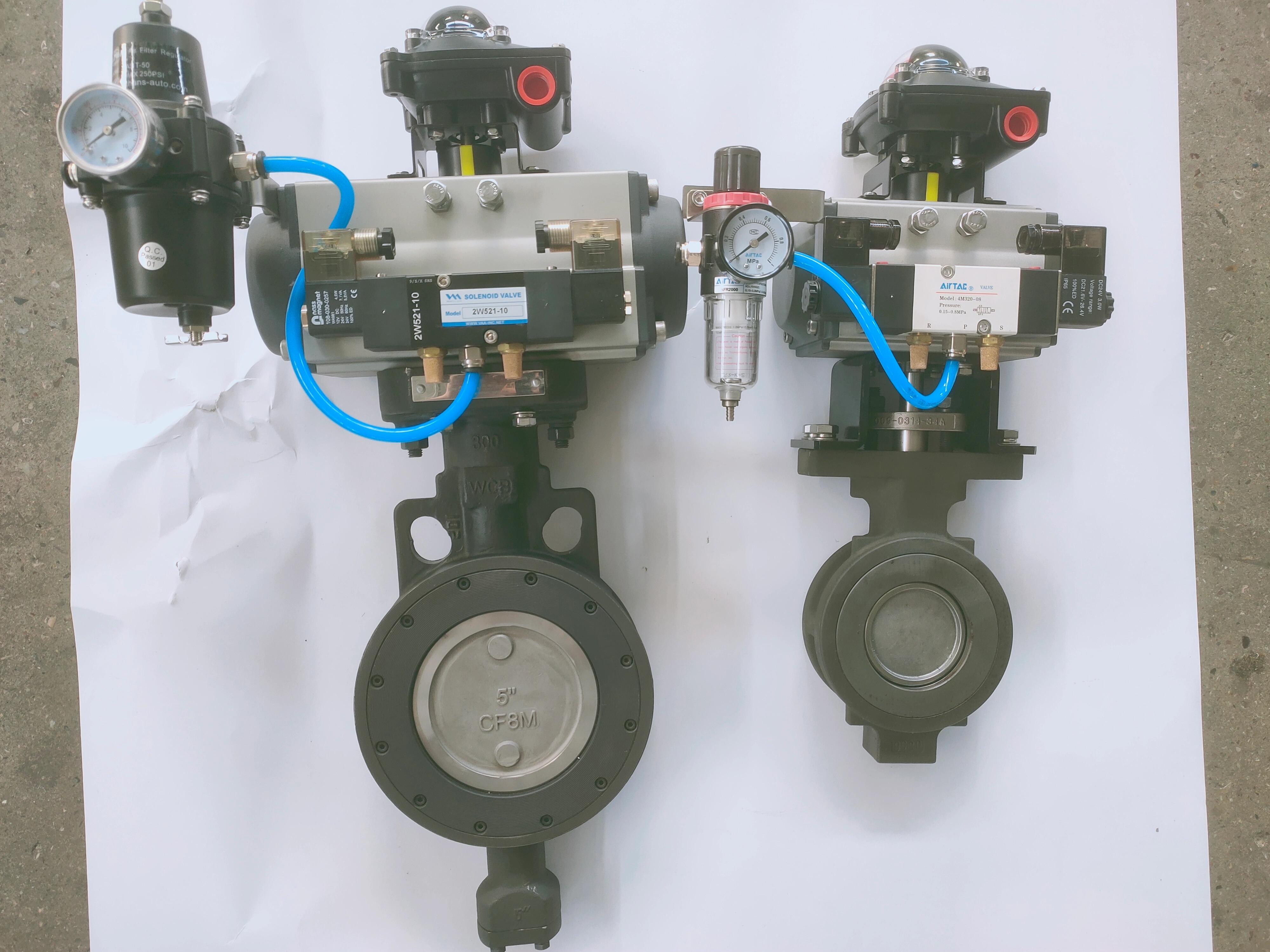
The versatility of Pneumatic Double Eccentric Butterfly Valves has made them the go-to solution across several industries. Key sectors where this valve design is gaining traction include:
Oil and Gas: Due to its ability to handle high pressure and aggressive chemicals.
Chemical Processing: Its high resistance to corrosive substances makes it ideal for harsh chemical environments.
Pharmaceutical: Where hygiene, tight sealing, and precise control are paramount.
Power Generation: To manage steam and gas flow with minimal friction and maximum durability.
Water Treatment: Where reliable flow control and resistance to wear are critical.
The adaptability of this valve design to these various sectors speaks volumes about its reliability and efficiency in demanding applications.
Why the Industry Standard is Shifting
The growing demand for Pneumatic Double Eccentric Butterfly Valves as the industry standard is not just a passing trend. As industries continue to push the boundaries of efficiency, safety, and performance, the need for more advanced, durable valve solutions becomes undeniable. The double eccentric design offers a practical solution to challenges such as reduced downtime, high operational costs, and environmental concerns related to leaks and energy consumption.
With continuous innovations in materials and actuator technologies, the capabilities of these valves will only expand, making them even more integral to industries where precision and reliability are non-negotiable.
Conclusion
In summary, Pneumatic Double Eccentric Butterfly Valves are quickly becoming the go-to choice for demanding industrial applications due to their superior sealing efficiency, reduced wear and tear, and enhanced performance in harsh environments. As industries continue to evolve and require higher standards of precision, reliability, and cost-efficiency, the adoption of this valve design is poised to expand.
By offering long-lasting performance, reduced maintenance, and greater control, these valves are setting a new benchmark for how critical flow control systems should operate in today’s demanding industrial landscapes.
FAQ
Q1: What makes pneumatic double eccentric butterfly valves better than traditional butterfly valves?
A1: The double eccentric design reduces friction, wear, and improves sealing efficiency, making it more durable and reliable in harsh conditions compared to traditional butterfly valves.
Q2: In which industries are pneumatic double eccentric butterfly valves most commonly used?
A2: They are commonly used in industries like oil and gas, chemical processing, pharmaceuticals, power generation, and water treatment due to their ability to handle high pressures, corrosive substances, and extreme temperatures.
Q3: How does the pneumatic actuator enhance the valve’s performance?
A3: The pneumatic actuator allows for precise, automated control of the valve, improving flow regulation and overall system efficiency, particularly in processes requiring tight control.
Q4: Are pneumatic double eccentric butterfly valves expensive?
A4: While they may have a higher initial cost than traditional valve designs, their durability, reduced maintenance needs, and extended service life make them a more cost-effective solution in the long run.
Q5: Can these valves be used in all fluid and gas systems?
A5: Yes, pneumatic double eccentric butterfly valves can be used in a variety of systems, particularly where high pressure, extreme temperatures, or corrosive agents are involved. However, compatibility with specific fluids should always be checked based on material and design specifications.


