Contents
Introduction
The Rising Demand for PTFE-Covered Butterfly Valves
What Sets PTFE-Covered Butterfly Valves Apart?
Key Advantages of PTFE-Covered Butterfly Valves in Various Industries
Durability and Performance: How PTFE Enhances Valve Longevity
PTFE-Covered Butterfly Valves: The Preferred Choice for Harsh Environments
Cost-Effectiveness: The Long-Term Savings of PTFE-Covered Butterfly Valves
The Future Outlook: Will PTFE-Covered Butterfly Valves Dominate the Market?
Conclusion
FAQ
Introduction
In industries where fluid control is crucial, the choice of valve can significantly impact operational efficiency, safety, and maintenance costs. Among the wide range of valve types available, butterfly valves have long been favored for their simplicity, compact design, and cost-effectiveness. However, the introduction of butterfly valves covered with PTFE (Polytetrafluoroethylene) has sparked a transformative shift in the market. These specialized valves are rapidly becoming the new industry standard due to their enhanced performance, chemical resistance, and ability to withstand extreme environments.
This article explores the key reasons behind the growing popularity of butterfly valves covered with PTFE, examining their advantages, applications, and how they are reshaping industries that rely on precision fluid control.
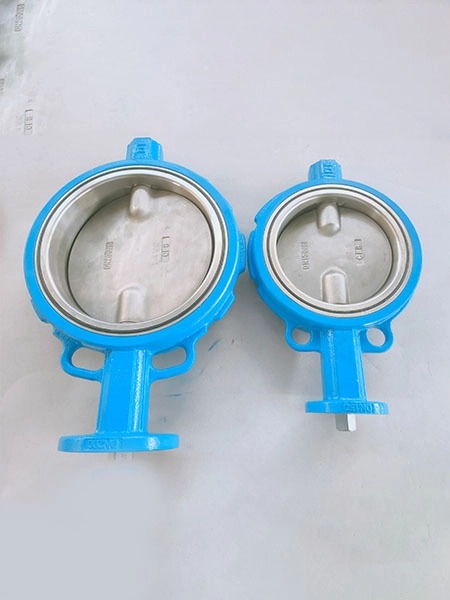
The Rising Demand for PTFE-Covered Butterfly Valves
The demand for butterfly valves covered with PTFE has been rising steadily as industries like chemical processing, food and beverage, pharmaceuticals, and wastewater treatment seek more reliable solutions for managing corrosive, high-temperature, or abrasive fluids. Unlike standard butterfly valves, which may suffer from wear and corrosion over time, PTFE-covered valves offer a superior alternative that significantly extends service life and reduces maintenance needs.
Several factors contribute to this increasing demand:
Increased Industrialization: As global industries expand, the need for more efficient and resilient valve solutions is critical.
Stricter Regulations: Industries are subject to increasingly stringent environmental and safety regulations. PTFE-covered butterfly valves help meet these standards by offering enhanced resistance to hazardous chemicals and extreme temperatures.
Sustainability Goals: Many industries are focused on minimizing downtime and optimizing equipment performance to meet sustainability objectives. The durability of PTFE valves aligns with these goals, offering long-term solutions with fewer replacements and reduced waste.
What Sets PTFE-Covered Butterfly Valves Apart?
Butterfly valves covered with PTFE are distinguished from standard butterfly valves by their specialized coating. PTFE, known for its chemical inertness, low friction, and high-temperature resistance, provides a layer of protection that extends the valve's functionality in demanding environments.
Key features that set PTFE-coated butterfly valves apart include:
Superior Chemical Resistance: PTFE is highly resistant to a broad spectrum of chemicals, including acids, bases, solvents, and oils. This makes PTFE-coated valves ideal for industries that deal with corrosive substances.
High-Temperature Tolerance: PTFE can withstand temperatures up to 260°C (500°F), allowing valves to operate in high-heat applications without degradation.
Low Friction and Self-Lubricating Properties: PTFE reduces the friction between moving parts, ensuring smooth operation and longer valve life.
Non-Stick Surface: PTFE’s non-stick nature prevents build-up of substances on the valve surfaces, reducing maintenance requirements and improving efficiency.
These unique properties give butterfly valves covered with PTFE a significant edge over traditional valve types, making them increasingly indispensable in industrial applications.
Key Advantages of PTFE-Covered Butterfly Valves in Various Industries
The versatility of butterfly valves covered with PTFE makes them suitable for a wide range of industries, from chemical manufacturing to food processing. Below are some key benefits that these valves offer in specific sectors:
| Industry | Key Benefits of PTFE-Covered Butterfly Valves |
| Chemical Processing | Resistance to aggressive chemicals reduces corrosion, extending valve life. |
| Food & Beverage | Non-reactive properties ensure no contamination in sensitive environments. |
| Pharmaceuticals | Meets stringent sanitation standards and prevents cross-contamination. |
| Wastewater Treatment | Withstands harsh, corrosive fluids commonly found in treatment processes. |
Each of these industries benefits from PTFE-covered butterfly valves in unique ways, particularly when handling substances that would normally degrade standard valves. The ability to reduce contamination risks, improve process efficiency, and cut down on repairs makes PTFE-coated valves a go-to solution.
Durability and Performance: How PTFE Enhances Valve Longevity
One of the main reasons butterfly valves covered with PTFE are becoming the industry standard is their remarkable durability. PTFE coatings are designed to protect the valve from wear, corrosion, and chemical exposure, which in turn increases the longevity of the entire system.
PTFE’s low friction coefficient also helps reduce wear and tear on moving components, which leads to:
Reduced Maintenance Needs: Fewer repairs or part replacements are required due to the durability of the PTFE coating.
Increased Operational Life: PTFE extends the working life of valves by protecting them from harsh environmental conditions.
Improved Reliability: PTFE provides consistent, reliable performance in a wide range of operating conditions, reducing the risk of unexpected downtime.
The overall result is a system that requires fewer replacements, which can lead to significant cost savings over the long term.
PTFE-Covered Butterfly Valves: The Preferred Choice for Harsh Environments
In industries that deal with extreme conditions, such as high pressure, high temperature, or aggressive chemicals, butterfly valves covered with PTFE provide a robust solution. PTFE's resilience against such conditions makes it the material of choice for:
High-Pressure Applications: PTFE’s structural integrity under pressure ensures that the valve maintains optimal functionality even in high-stress situations.
Extreme Temperature Variability: Whether exposed to heat or extreme cold, PTFE maintains its performance, making it a reliable choice for industries with fluctuating temperatures.
Abrasive Fluids: PTFE is resistant to the erosion caused by abrasive substances, ensuring that valves in these systems last longer without requiring frequent repairs.
The durability and reliability of PTFE in such extreme environments have made it the preferred material for valves used in chemical reactors, refineries, and other high-risk industries.
Cost-Effectiveness: The Long-Term Savings of PTFE-Covered Butterfly Valves
While butterfly valves covered with PTFE might have a higher initial cost compared to standard valves, the long-term benefits make them more cost-effective overall. The key advantages include:
Lower Maintenance Costs: PTFE’s durability reduces the frequency of maintenance, meaning fewer downtime and repair expenses.
Fewer Replacements: The extended lifespan of PTFE-coated valves means fewer replacements, saving businesses the cost of purchasing new valves.
Energy Efficiency: PTFE’s low friction properties can lead to smoother valve operation, reducing energy consumption and lowering overall operational costs.
In industries where downtime and maintenance costs can be significant, the cost-effectiveness of butterfly valves covered with PTFE offers substantial savings over time.
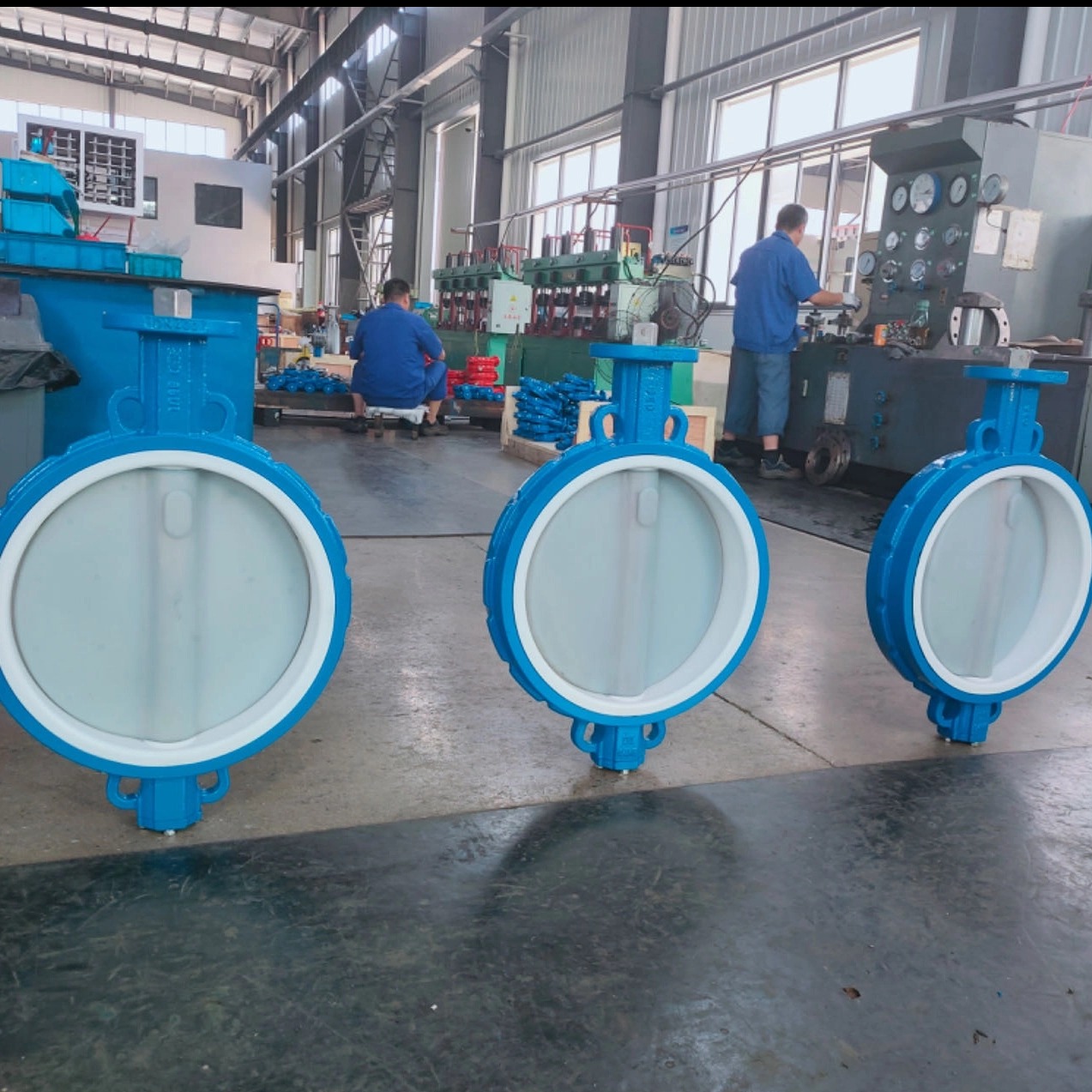
The Future Outlook: Will PTFE-Covered Butterfly Valves Dominate the Market?
As industries continue to prioritize efficiency, sustainability, and performance, butterfly valves covered with PTFE are expected to become even more widespread. The key drivers of this growth include:
Technological Advancements: As manufacturing processes evolve, PTFE-coated valves will continue to improve in terms of functionality, ease of use, and adaptability to different conditions.
Increased Regulatory Demands: Stricter environmental regulations will continue to push industries toward more resilient and sustainable solutions, which PTFE-coated valves provide.
Rising Awareness: As more industries realize the long-term cost savings and performance benefits, PTFE-coated butterfly valves will see increased adoption.
The future of fluid control systems looks promising for butterfly valves covered with PTFE, as they are poised to become the go-to choice for industries seeking the best in reliability, performance, and cost savings.
Conclusion
The rise of butterfly valves covered with PTFE marks a transformative shift in valve technology, driven by their superior performance, resistance to extreme conditions, and cost-efficiency. As industries continue to demand more reliable, durable, and high-performance valve solutions, PTFE-coated butterfly valves will undoubtedly become the new standard. Their ability to enhance operational efficiency while reducing maintenance costs makes them the ideal choice for a variety of industrial applications.
FAQ
Q: What is the difference between a standard butterfly valve and a PTFE-covered butterfly valve?
A: The main difference is the PTFE coating. PTFE provides superior chemical resistance, high-temperature tolerance, and low friction, making PTFE-coated valves more durable and reliable in harsh environments.
Q: Are PTFE-covered butterfly valves suitable for all industries?
A: PTFE-coated butterfly valves are particularly beneficial for industries dealing with corrosive chemicals, extreme temperatures, or abrasive substances, such as chemical processing, pharmaceuticals, and wastewater treatment.
Q: Can PTFE-coated butterfly valves reduce operational costs?
A: Yes, the durability and reduced maintenance needs of PTFE-coated valves lead to long-term cost savings, making them a cost-effective solution for industrial applications.
Q: How long do PTFE-coated butterfly valves typically last?
A: PTFE-coated butterfly valves can last significantly longer than standard valves, depending on the specific conditions of use. Their resistance to corrosion and wear can extend their operational life by several years.


