Contents
Introduction
What Are PTFE-Covered Butterfly Valves?
The Advantages of PTFE-Coated Valves in Industrial Settings
How PTFE-Covered Butterfly Valves Improve Plant Operations
Comparing PTFE-Covered Butterfly Valves to Other Valve Types
The Impact of PTFE on Valve Durability and Performance
The Environmental and Safety Benefits of PTFE-Covered Valves
Why Plants Are Investing in PTFE-Covered Butterfly Valves
Conclusion
FAQ
Introduction
The growing adoption of butterfly valves covered with PTFE in various industrial sectors is a trend that cannot be ignored. In recent years, many plants have begun to shift away from traditional valve types in favor of PTFE-coated butterfly valves, primarily due to their superior performance, longevity, and cost-effectiveness. PTFE, or polytetrafluoroethylene, is a versatile material known for its chemical resistance and high-temperature capabilities, making it ideal for challenging industrial environments.
In this article, we will explore the reasons behind the increasing preference for PTFE-covered butterfly valves in modern plants. By examining their benefits, performance, and advantages over other valve types, we will provide a comprehensive understanding of why plants are making this upgrade.
What Are PTFE-Covered Butterfly Valves?
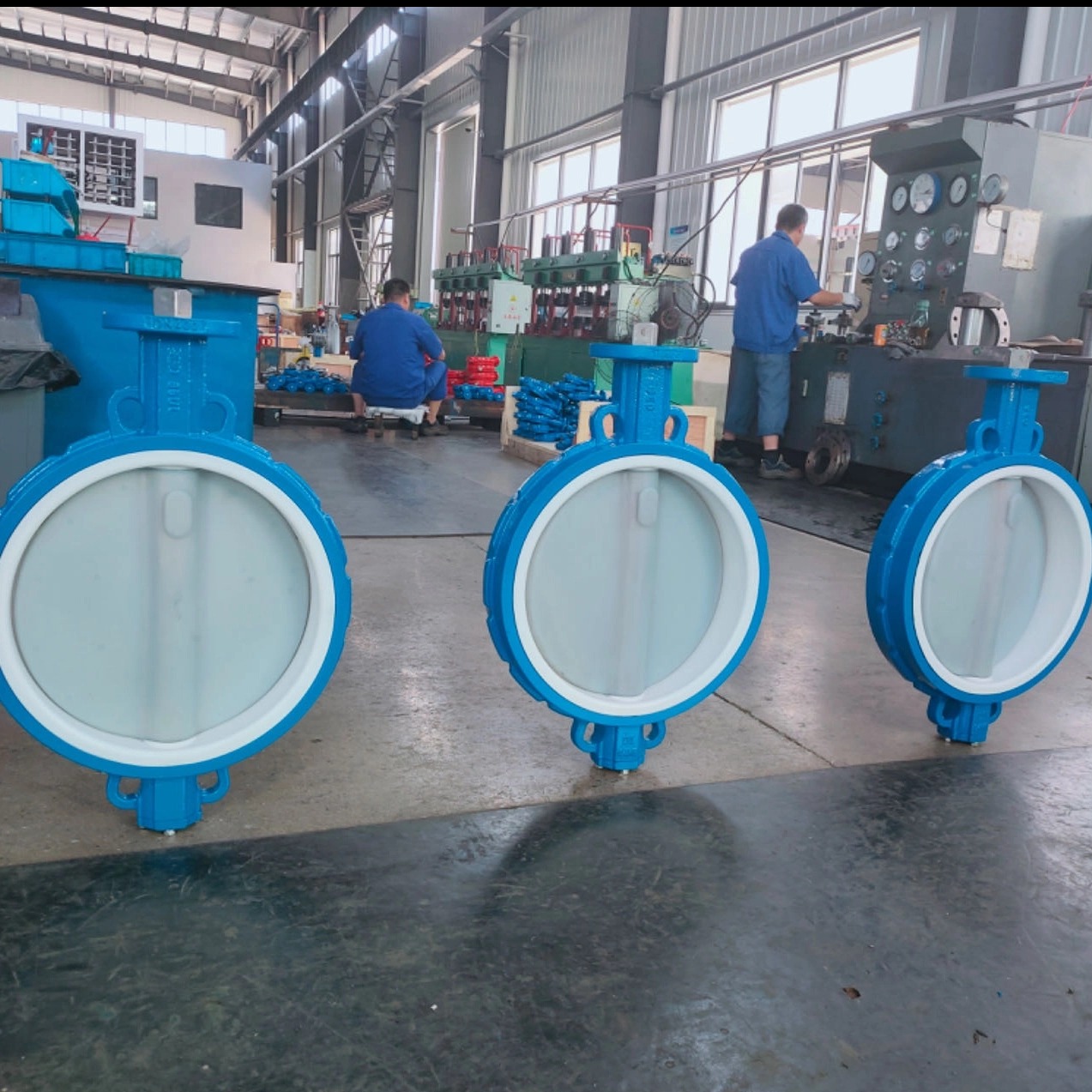
A butterfly valve covered with PTFE is a valve that uses a rotating disc to control the flow of liquids or gases. The valve’s body and/or internal components, such as the disc or seals, are coated with PTFE, which enhances its performance in various industrial applications. PTFE, also known as Teflon, is a synthetic fluoropolymer known for its non-stick properties, high chemical resistance, and ability to function in extreme temperature environments.
The coating of PTFE ensures that the butterfly valve operates with reduced friction, lower wear, and superior resistance to chemical degradation. This makes it particularly useful in industries where aggressive chemicals, high temperatures, or abrasive materials are common. PTFE-covered butterfly valves are an excellent solution for controlling flow in a wide range of applications, from water treatment facilities to chemical processing plants.
The Advantages of PTFE-Coated Valves in Industrial Settings
One of the primary reasons why more plants are upgrading to butterfly valves covered with PTFE is the significant operational advantages these valves offer. Some of the key benefits include:
Enhanced Durability: PTFE is highly resistant to corrosion and abrasion, which greatly extends the lifespan of the valve. In industries where valves are exposed to harsh chemicals or extreme temperatures, PTFE-coated valves can provide a much longer service life compared to traditional valves.
Chemical Resistance: PTFE has one of the highest levels of chemical resistance among synthetic materials. This makes PTFE-covered butterfly valves ideal for use in chemical plants, pharmaceuticals, food processing, and other industries where exposure to corrosive substances is common.
Reduced Maintenance Costs: The durability and resistance of PTFE-coated valves lead to fewer breakdowns and less frequent maintenance. As a result, plants can reduce downtime and maintenance expenses over time.
Improved Performance: PTFE coatings allow for smoother operation with reduced friction, enhancing the flow control capability of butterfly valves. The low friction also reduces wear on valve components, ensuring that they perform efficiently for longer periods.
Cost-Effective Solution: While the initial investment in PTFE-coated butterfly valves may be higher, the long-term cost savings due to reduced maintenance, longer service life, and fewer replacements make them a cost-effective solution for many plants.
How PTFE-Covered Butterfly Valves Improve Plant Operations
Plants across various industries are increasingly adopting PTFE-covered butterfly valves to improve their overall operational efficiency. Here’s how these valves contribute to better plant performance:
1. Faster Response Times
In industrial applications where flow control is critical, PTFE-coated butterfly valves allow for quicker response times due to their smooth operation. The low friction between the valve disc and the PTFE coating ensures that the valve opens and closes more efficiently, leading to faster adjustments in flow control. This is particularly important in applications where precise flow control is essential for product quality or safety.
2. Enhanced Leak Prevention
PTFE is known for its sealing properties, which help prevent leaks. In plants where leaks can lead to hazardous situations or the loss of valuable materials, PTFE-covered butterfly valves offer a reliable solution. The PTFE coating ensures a tighter seal, reducing the likelihood of leaks and improving plant safety.
3. Reduced Energy Consumption
The smooth, low-friction surface provided by the PTFE coating minimizes the energy required to operate the valve. This can result in reduced energy consumption for plant operations, which is not only beneficial for the environment but also helps reduce operational costs.
Comparing PTFE-Covered Butterfly Valves to Other Valve Types
To understand why more plants are upgrading to butterfly valves covered with PTFE, it's essential to compare them with other common valve types. Below is a comparison of PTFE-coated butterfly valves with traditional butterfly valves and other valve types like ball valves.
| Feature | PTFE-Covered Butterfly Valves | Traditional Butterfly Valves | Ball Valves |
| Chemical Resistance | Excellent | Good | Moderate |
| Durability | High | Moderate | High |
| Maintenance | Low | Moderate | Low |
| Flow Control Precision | High | Moderate | High |
| Cost | Higher initial cost, long-term savings | Low initial cost, shorter lifespan | High initial cost |
PTFE-coated butterfly valves stand out due to their superior resistance to chemicals and high durability. Traditional butterfly valves may be sufficient in non-corrosive environments, but their lifespan can be significantly shorter in harsher conditions. Ball valves, while offering precision, can be more expensive and may not always be as resistant to corrosion as PTFE-coated options.
The Impact of PTFE on Valve Durability and Performance
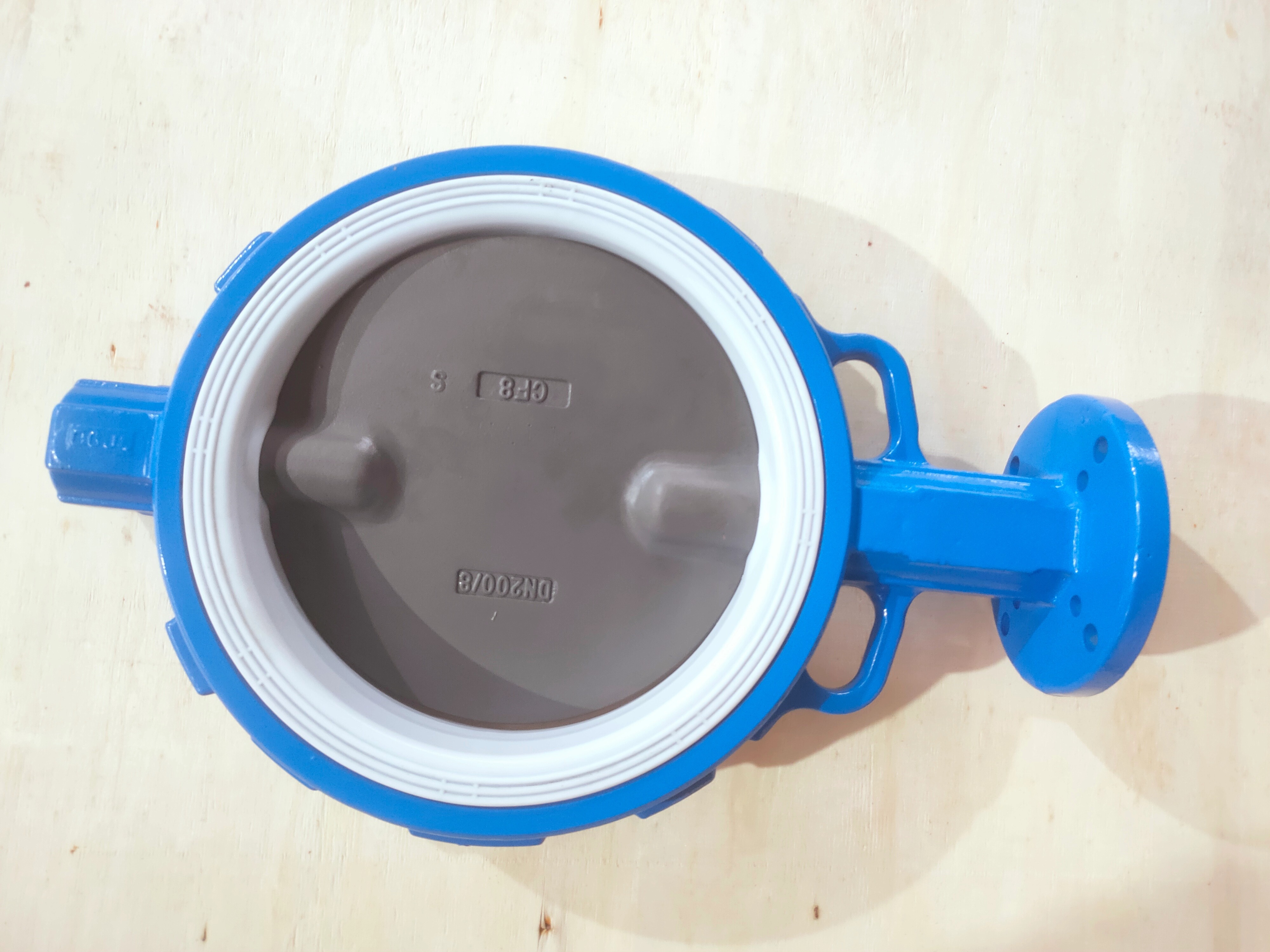
The use of PTFE in butterfly valves offers substantial improvements in both durability and performance. The material's inherent properties significantly enhance the valve's resistance to corrosion, wear, and high temperatures, which is crucial in many industrial applications.
1. Corrosion Resistance
PTFE is one of the most corrosion-resistant materials available, making it an ideal choice for environments that involve corrosive fluids, gases, or chemicals. This corrosion resistance extends the operational life of the valve and reduces the likelihood of valve failure due to chemical degradation.
2. High-Temperature Performance
PTFE-coated butterfly valves can withstand high temperatures, typically ranging from -200°C to +260°C (-328°F to +500°F). This makes them suitable for use in high-temperature applications such as steam systems or chemical reactors, where traditional valves might struggle.
3. Low Maintenance and Longer Service Life
PTFE reduces friction within the valve, minimizing wear and tear on the valve components. This leads to less frequent maintenance and repairs, contributing to lower total cost of ownership.
The Environmental and Safety Benefits of PTFE-Covered Valves
PTFE-coated butterfly valves contribute to both environmental and safety improvements in industrial operations. The most notable benefits include:
Leak Prevention: PTFE’s sealing ability significantly reduces the chances of leaks, preventing the release of harmful substances into the environment and improving safety for workers.
Reduced Chemical Waste: The efficiency of PTFE-coated valves ensures that industrial processes are more reliable, reducing the likelihood of spills or chemical waste. This contributes to greener operations and compliance with environmental regulations.
Worker Safety: By preventing leaks and failures, PTFE-coated valves help create a safer working environment, reducing the risk of hazardous accidents or exposure to harmful chemicals.
Why Plants Are Investing in PTFE-Covered Butterfly Valves
The decision to upgrade to butterfly valves covered with PTFE is not one that plants make lightly. Several factors are driving this shift, including:
Long-Term Cost Savings: The durability and low-maintenance nature of PTFE-coated valves lead to lower operational costs over time.
Improved Operational Efficiency: With better flow control, reduced downtime, and fewer maintenance needs, PTFE-coated butterfly valves contribute to overall plant productivity.
Compliance with Industry Standards: Many industries are increasingly facing stricter regulations related to safety, chemical handling, and environmental impact. PTFE-coated valves help plants meet these requirements more effectively.
Conclusion
The growing trend of upgrading to butterfly valves covered with PTFE is a reflection of their clear advantages in terms of performance, durability, and cost-effectiveness. As industries continue to evolve, the need for reliable and long-lasting valves becomes more critical. PTFE-covered butterfly valves meet this demand by offering superior chemical resistance, high-temperature tolerance, and reduced maintenance requirements. For plants looking to improve efficiency, reduce costs, and enhance safety, the upgrade to PTFE-covered butterfly valves is a sound investment.
FAQ
Q: What industries benefit the most from PTFE-covered butterfly valves?
A: PTFE-covered butterfly valves are ideal for industries such as chemical processing, pharmaceuticals, food and beverage, water treatment, and any sector dealing with corrosive or high-temperature fluids.
Q: How long do PTFE-coated butterfly valves last compared to traditional valves?
A: PTFE-coated butterfly valves typically last much longer than traditional valves, especially in harsh environments. The PTFE coating protects the valve from corrosion, wear, and high temperatures, extending its service life.
Q: Are PTFE-covered butterfly valves more expensive than regular valves?
A: While the initial cost of PTFE-coated butterfly valves may be higher, their longevity and reduced maintenance costs make them a more cost-effective solution in the long run.
Q: Can PTFE-coated butterfly valves handle high-pressure applications?
A: PTFE-covered butterfly valves are not typically designed for extremely high-pressure applications, but they perform well in moderate-pressure systems. For very high-pressure situations, alternative valve types may be more suitable.


