Contents
Introduction
The Need for Reliable Valves in Critical Applications
Why PTFE-Covered Butterfly Valves Stand Out
Key Advantages of PTFE-Coated Butterfly Valves
The Role of PTFE Coating in Preventing Contamination
Engineering Considerations for Choosing PTFE-Covered Butterfly Valves
Applications Where PTFE-Covered Butterfly Valves Excel
Common Challenges and How PTFE-Covered Butterfly Valves Address Them
Conclusion
FAQ
Introduction
In critical applications across various industries, engineers require valves that can meet stringent demands in terms of reliability, durability, and performance. The butterfly valve, a key component used in many fluid control systems, has become an essential tool in controlling the flow of liquids and gases. However, when the application requires the highest level of protection against corrosion, contamination, and extreme temperatures, the choice of valve material and coating becomes crucial. One such solution is the PTFE-covered butterfly valve.
PTFE (Polytetrafluoroethylene), commonly known by the brand name Teflon, is known for its exceptional chemical resistance and non-stick properties. When applied as a coating on a butterfly valve, PTFE offers a range of advantages that make it the go-to option for engineers working with critical processes. In this article, we will delve into why engineers prefer PTFE-covered butterfly valves for demanding applications, highlighting their benefits, the challenges they address, and their optimal uses.
The Need for Reliable Valves in Critical Applications
In industries such as chemical processing, pharmaceuticals, and food manufacturing, even minor failures in equipment like valves can result in significant operational disruptions, safety hazards, or contamination. In these industries, valves not only need to control flow effectively but also prevent leakage, ensure compatibility with corrosive substances, and perform under extreme conditions.
Critical applications often involve handling aggressive chemicals, high-pressure systems, high temperatures, and even sterile environments. Traditional valves may not be up to the task of managing these harsh conditions. This is where the PTFE-covered butterfly valve excels by offering superior protection and performance characteristics that ensure operational integrity.
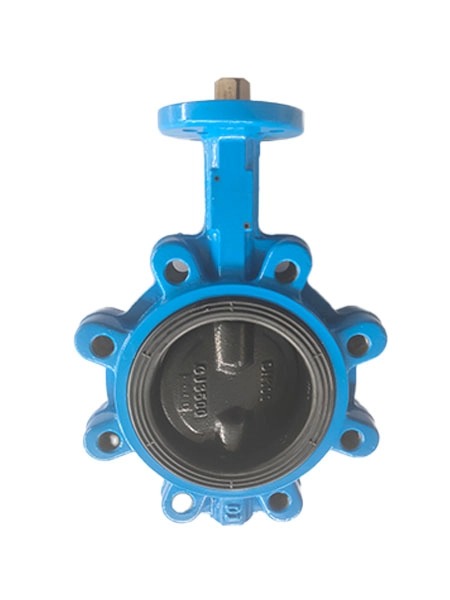
Why PTFE-Covered Butterfly Valves Stand Out
A butterfly valve covered with PTFE has a range of benefits that distinguish it from other types of valves. The PTFE coating provides a high-performance layer of protection for the valve’s internal components, which is crucial when handling corrosive or abrasive materials. PTFE’s unique properties make it an ideal material for valves used in critical applications. Below are some key factors that make PTFE-coated butterfly valves the preferred choice for engineers:
Corrosion Resistance: PTFE is highly resistant to acids, bases, and other corrosive substances, preventing valve degradation in aggressive environments.
Non-stick Properties: PTFE prevents the accumulation of residue and build-up inside the valve, maintaining smooth operation over time.
Durability: PTFE coatings add a layer of durability that enhances the valve's lifespan, reducing the need for frequent replacements.
Temperature Tolerance: PTFE can withstand a wide range of temperatures, making it suitable for both high and low-temperature applications.
Key Advantages of PTFE-Coated Butterfly Valves
Durability and Corrosion Resistance
One of the most significant advantages of PTFE-covered butterfly valves is their resistance to corrosion. In industries dealing with harsh chemicals, such as petrochemical and chemical processing plants, valves made from materials like stainless steel can quickly corrode when exposed to aggressive substances. The PTFE coating protects the valve body and internal components from corrosion, significantly extending its service life.
Moreover, PTFE’s non-reactive nature means it won't deteriorate when exposed to acids, alkalis, or other corrosive materials. This level of protection ensures that critical systems remain operational without the risk of valve failure due to rust or degradation.
| Material | Corrosion Resistance | Common Applications |
| PTFE Coating | Excellent | Chemical, Pharmaceutical, Food Processing |
| Stainless Steel | Moderate | General Purpose, Less Aggressive Environments |
| Brass | Poor | Low-Corrosive Environments |
Excellent Chemical Resistance
The chemical resistance of PTFE is unparalleled, making it especially useful in applications where valves must be exposed to aggressive chemicals. In industries like chemical manufacturing, pharmaceutical production, and water treatment, where harsh chemicals are frequently handled, PTFE-covered butterfly valves are an excellent choice due to their ability to resist chemical attacks.
The PTFE layer effectively shields the valve components from chemical degradation, preventing leaks and ensuring that the valve continues to perform without compromising the integrity of the materials flowing through it. Whether handling acids, solvents, or aggressive cleaning agents, PTFE provides a robust barrier against chemical damage.
Low Friction and Wear Resistance
In any valve, friction between moving parts can lead to wear and tear over time, which eventually affects performance. However, PTFE is known for its low friction properties, reducing wear and tear on the valve's sealing surfaces. This leads to smoother operation, less maintenance, and extended valve life. The reduced friction also ensures that the valve opens and closes more easily, improving overall system efficiency.
Moreover, PTFE’s resistance to wear ensures that the valve can continue to perform reliably, even under high-frequency operation or in systems subject to continuous pressure cycling.
High Temperature Performance
Many critical applications involve high-temperature processes, such as in steam or gas systems. PTFE-covered butterfly valves offer excellent performance in extreme temperatures. PTFE remains stable in temperatures ranging from -200°C to 260°C (-328°F to 500°F), making it ideal for industries like power generation, chemical processing, and oil refining.
The high-temperature tolerance of PTFE ensures that the valve will not degrade or lose functionality even when subjected to the thermal stresses that are common in high-temperature environments. This thermal stability is a key factor in ensuring the longevity and reliability of the valve under demanding conditions.
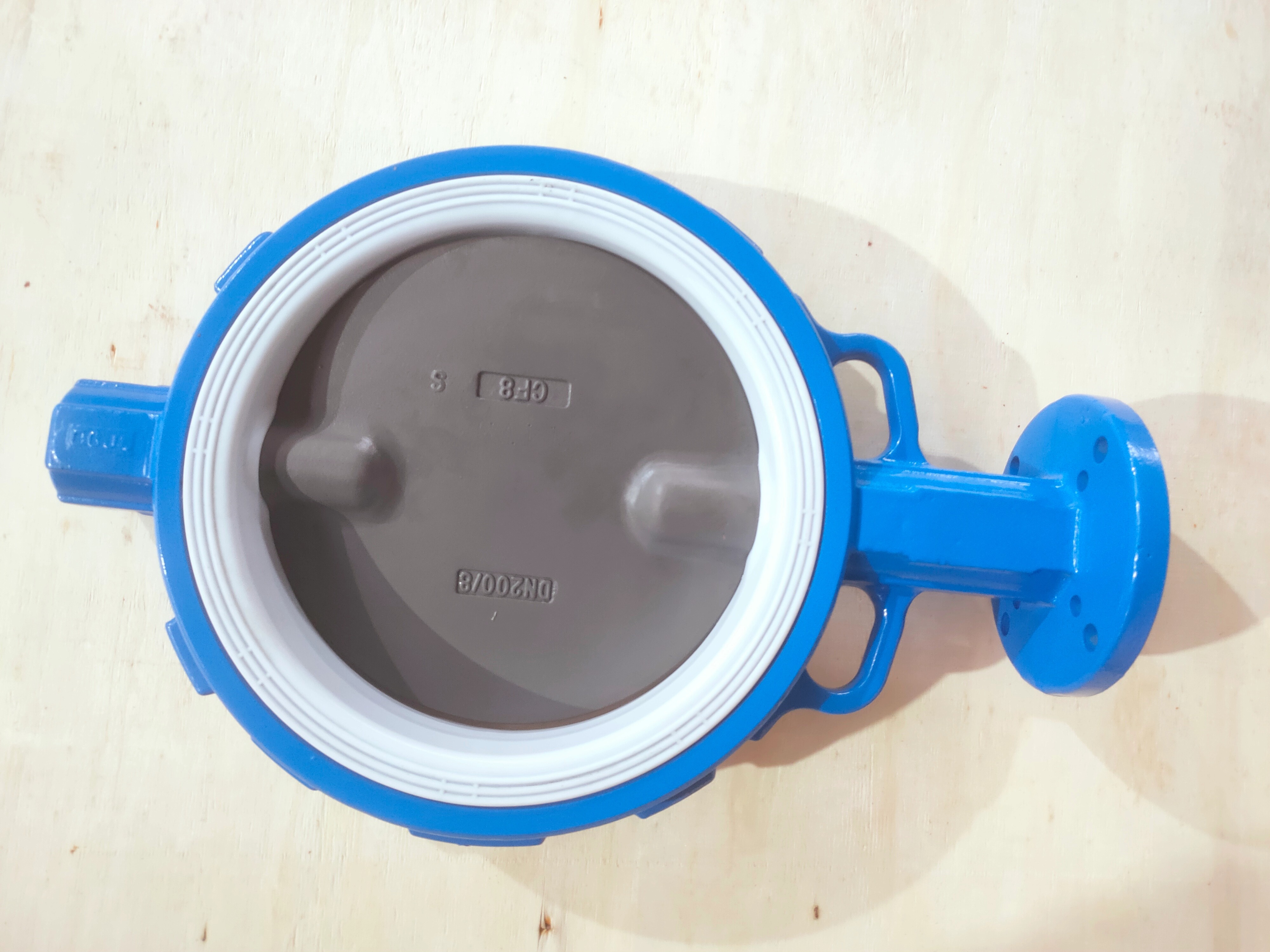
The Role of PTFE Coating in Preventing Contamination
In critical industries like pharmaceuticals and food production, preventing contamination is paramount. PTFE-covered butterfly valves help reduce the risk of contamination by providing a non-porous surface that resists the accumulation of foreign particles, bacteria, or other contaminants. The smooth, non-stick surface of the PTFE coating ensures that substances do not adhere to the valve, keeping the fluid stream pure and safe.
In addition to minimizing the risk of contamination, PTFE’s chemical inertness means that it won't introduce harmful compounds into the system, making it a perfect material for sterile or hygienic environments.
Engineering Considerations for Choosing PTFE-Covered Butterfly Valves
When selecting a PTFE-covered butterfly valve for a critical application, engineers must consider several factors to ensure optimal performance. These include:
Pressure and Temperature Requirements: Ensure that the valve can handle the pressure and temperature ranges typical for the application.
Chemical Compatibility: Select a PTFE coating that is compatible with the specific chemicals being handled.
Valve Size and Flow Capacity: The size of the valve should match the flow requirements of the system.
Maintenance and Durability: Consider the valve’s lifespan, ease of maintenance, and the cost of replacement.
A careful assessment of these factors ensures that the PTFE-covered butterfly valve chosen is the best fit for the application.
Applications Where PTFE-Covered Butterfly Valves Excel
PTFE-coated butterfly valves are especially effective in applications that demand superior chemical resistance, durability, and the prevention of contamination. Some common industries and applications where these valves excel include:
Chemical Processing
In chemical processing plants, valves are exposed to aggressive substances, including acids, solvents, and corrosive gases. PTFE-covered butterfly valves provide the necessary protection to ensure these chemicals do not degrade the valve, maintaining the integrity of the system.
Food and Beverage Industry
The food and beverage industry requires valves that can withstand repeated cleaning cycles, prevent contamination, and meet hygiene standards. PTFE-covered butterfly valves are ideal because of their non-stick surface, chemical resistance, and ability to maintain sterile conditions.
Pharmaceuticals
In pharmaceutical manufacturing, where purity and sterility are crucial, PTFE-coated butterfly valves prevent contamination and ensure the safe handling of active ingredients and final products. The non-reactive nature of PTFE ensures that no harmful substances are introduced into the system.
Common Challenges and How PTFE-Covered Butterfly Valves Address Them
While PTFE-covered butterfly valves offer numerous benefits, engineers must be aware of potential challenges, including:
Cost: PTFE-coated valves are more expensive than non-coated alternatives, but the long-term benefits often outweigh the initial investment.
Compatibility with High Pressures: In some high-pressure systems, PTFE may not provide the same level of strength as other materials like metal alloys.
By choosing the appropriate valve size, material, and coating, engineers can effectively mitigate these challenges and ensure the valve performs as expected in critical applications.
Conclusion
PTFE-covered butterfly valves offer unmatched performance in critical applications that demand durability, chemical resistance, and contamination control. Their superior properties make them the preferred choice for engineers in industries like chemical processing, food and beverage, and pharmaceuticals. While they come at a higher cost, their long-term benefits in terms of reliability, reduced maintenance, and enhanced operational safety make them a wise investment.
FAQ
1. What is PTFE, and why is it used for coating butterfly valves?
PTFE (Polytetrafluoroethylene) is a synthetic polymer known for its excellent chemical resistance, non-stick properties, and high-temperature stability. It is used to coat butterfly valves to protect them from corrosion and chemical degradation in harsh environments.
2. Can PTFE-covered butterfly valves be used in high-pressure systems?
Yes, PTFE-covered butterfly valves can be used in high-pressure systems, but engineers should carefully evaluate the pressure rating of the specific valve and ensure it is compatible with the system’s requirements.
3. Are PTFE-covered butterfly valves suitable for food and pharmaceutical applications?
Yes, PTFE-covered butterfly valves are highly recommended in food and pharmaceutical applications because they prevent contamination and maintain hygiene, ensuring the purity of the substances being handled.


