Valves are critical components in any piping system. They control the flow of liquids, gases, and steam, ensuring that processes run smoothly and safely. Among the many valve designs available, the cast iron wafer butterfly valve stands out as a practical and widely used choice in industrial, commercial, and even some municipal systems.
Its compact design, cost-effectiveness, and ease of use make it appealing to engineers and operators alike. However, to achieve the best performance and long service life, proper installation is essential. Incorrect installation can lead to issues such as leakage, premature wear, or even system failure.
This article provides a detailed, step-by-step guide to fitting a cast iron wafer butterfly valve. By the end, you will have a clear understanding of the preparation, tools, techniques, and checks needed to ensure a safe and reliable installation.
Understanding the Cast Iron Wafer Butterfly Valve
Before diving into the installation process, it is useful to understand the basic features of the valve itself.
A butterfly valve is a quarter-turn valve. It has a disc mounted on a shaft that rotates to control the flow. Turning the handle or actuator 90 degrees moves the disc from a fully open position to fully closed.
The wafer design means the valve is sandwiched between two pipe flanges. It is held in place by bolts that pass through the flanges and around the valve body, without needing its own bolt holes or lugs. This makes wafer valves lighter and simpler to install than lug-style or flanged valves.
The cast iron body provides strength and rigidity at a reasonable cost, making the valve suitable for general-purpose applications such as water distribution, HVAC systems, and irrigation. While not ideal for highly corrosive or extreme environments, cast iron performs well in most industrial settings.
Why Proper Installation Matters
Installing a wafer butterfly valve may seem straightforward, but skipping steps or making mistakes can cause problems:
Leakage: If the valve is not aligned correctly, the disc may not seal properly, leading to fluid loss.
Damage to the disc or seat: Incorrect positioning during installation may cause the disc to scrape or press unevenly against the seat.
Reduced performance: Misalignment can increase resistance to flow, raising energy costs.
Shorter lifespan: Improper tightening of bolts or misalignment puts unnecessary stress on the valve body.
By following a structured installation method, you ensure smooth operation, reliable sealing, and long-term durability.
Tools and Materials Needed
Before beginning, gather the following tools and supplies:
Cast iron wafer butterfly valve of the correct size and specifications.
Compatible pipe flanges (usually flat-face or raised-face, depending on the system).
Gaskets, if recommended by the manufacturer.
Flange bolts, nuts, and washers of the proper grade and length.
A torque wrench for accurate tightening.
Lubricant (for bolts and sometimes flange faces).
Alignment tools (such as centering pins or a spirit level).
Personal protective equipment (gloves, safety glasses, and steel-toe shoes).
Having everything ready before installation reduces downtime and prevents mistakes caused by rushing.
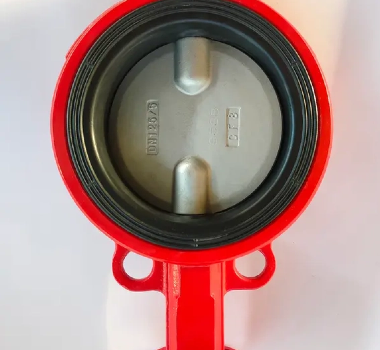
Step-by-Step Installation Process
Step 1: Inspect the Valve and Components
Start by carefully examining the butterfly valve. Check for any visible damage, such as cracks in the cast iron body, scratches on the disc, or defects in the elastomer seat. Ensure the valve rotates smoothly by turning the handle or actuator.
Also, inspect the pipe flanges for cleanliness and flatness. Remove dirt, rust, or old gasket material that could affect sealing.
Step 2: Verify Valve Orientation and Disc Position
Most butterfly valves are bi-directional, meaning they can be installed with flow in either direction. However, it is always wise to check the manufacturer’s markings for recommended flow direction.
Place the disc in a slightly open position (about 10 degrees). This prevents the disc from being damaged during installation by contact with the flange or pipe interior.
Step 3: Align the Flanges
Correct flange alignment is critical. The two flanges should be parallel and concentric with the pipe bore. Misaligned flanges can pinch the valve body or cause uneven pressure on the disc and seat.
If the system uses long pipelines, make sure there is proper support to avoid misalignment due to pipe weight.
Step 4: Insert the Valve Between Flanges
Carefully position the butterfly valve between the two flanges. Since wafer valves are lighter than many other types, this step usually requires less effort, but larger sizes may need lifting equipment.
Center the valve so that the flange bolts will pass evenly around the valve body. Improper centering is one of the most common causes of leakage.
Step 5: Insert and Hand-Tighten the Bolts
Insert the flange bolts through the holes and loosely hand-tighten them. Use washers to distribute pressure evenly. Do not tighten fully at this stage. Hand-tightening ensures that the valve remains centered while still allowing small adjustments.
Step 6: Check Disc Clearance
Before proceeding further, rotate the disc slowly from fully closed to fully open. Confirm that it moves freely without touching the pipe bore or flange faces. This ensures that the valve is properly centered and prevents long-term wear on the seat.
If the disc scrapes or cannot rotate fully, adjust the valve position slightly until clearance is achieved.
Step 7: Tighten the Bolts in a Cross Pattern
Using a torque wrench, tighten the flange bolts gradually in a diagonal (cross) pattern. This ensures even pressure distribution around the valve body, preventing distortion of the cast iron housing.
Do not overtighten, as this could damage the valve seat or crack the cast iron body. Refer to the manufacturer’s torque specifications for guidance.
Step 8: Conduct a Visual Check
Once the bolts are fully tightened, inspect the installation. Confirm that the valve is centered, bolts are evenly tightened, and there is no visible gap between flanges and the valve body.
Step 9: Test the Valve Operation
Operate the valve through a full open-close cycle. The disc should rotate smoothly and stop firmly at both ends. If resistance is felt, recheck alignment and bolt torque.
Step 10: Perform a Pressure Test
Finally, conduct a hydrostatic or pneumatic pressure test, depending on the system requirements. This verifies that the valve seals properly under working conditions and that there are no leaks.
Installation Tips and Best Practices
Avoid using gaskets unless recommended. Many butterfly valves have integral seats that provide their own sealing. Adding gaskets may interfere with proper compression.
Never weld near the installed valve. Excessive heat can damage the elastomer seat.
Support large valves properly. For heavy sizes, use pipe supports or hangers to reduce stress on the flanges.
Follow torque specifications. Over-tightening is a common mistake that shortens valve life.
Consider actuator orientation. If the valve is fitted with a pneumatic or electric actuator, ensure there is enough space for access and maintenance.
Common Installation Mistakes to Avoid
Misalignment of flanges – leading to uneven pressure and leaks.
Installing the valve fully closed – which can damage the disc edges.
Overtightening bolts – causing cracks in the cast iron body.
Skipping clearance checks – resulting in the disc scraping against the pipe.
Ignoring pressure tests – missing leaks until the system is in operation.
Avoiding these mistakes ensures that the valve performs reliably for years.
After-Installation Maintenance Checks
Even after correct installation, periodic checks help maintain valve performance:
Inspect the valve body and flanges for signs of leakage after the first few cycles.
Operate the valve periodically to prevent seat sticking.
Check bolt tightness after initial operation, as thermal expansion may loosen connections.
Monitor for unusual vibrations or noises, which may indicate improper alignment.
Conclusion
Installing a cast iron wafer butterfly valve is not complicated, but it requires attention to detail and adherence to best practices. By following a structured process—inspecting components, aligning flanges, centering the valve, tightening bolts correctly, and testing under pressure—you ensure long-lasting and reliable performance.
These valves are popular because they are compact, affordable, and efficient. Proper installation maximizes these benefits, reducing downtime, minimizing leaks, and extending the valve’s lifespan.
Whether used in water treatment plants, HVAC systems, agricultural irrigation, or industrial pipelines, the cast iron wafer butterfly valve delivers excellent value when installed correctly. By investing time and care during installation, you protect both your equipment and your overall system efficiency.


