Contents
Introduction
Understanding the Role of Butterfly Valves in Industrial Applications
The Mechanics of Double Eccentric Butterfly Valves
Why Double Eccentric Design is Essential for Severe Service
Pneumatic Double Eccentric Butterfly Valves: A Critical Component
The Advantages of Pneumatic Actuators for Severe Service
Real-World Applications of Double Eccentric Butterfly Valves
Challenges and Considerations in Selecting Double Eccentric Butterfly Valves
Conclusion
FAQ
Introduction
In the world of industrial valve technology, one type of valve that has consistently stood out in severe service environments is the double eccentric butterfly valve. Its design and functionality have made it a preferred choice in industries where handling high pressure, temperature extremes, abrasive materials, and other challenging conditions are routine. Unlike traditional valve designs, the Pneumatic Double Eccentric Butterfly Valve is engineered to handle these tough conditions with precision, durability, and minimal maintenance, making it a critical component for industrial operations. This article will delve into why double eccentric butterfly valves are considered the industry standard for severe service applications, analyzing their design, performance, and benefits.
Understanding the Role of Butterfly Valves in Industrial Applications
Butterfly valves are widely used for regulating the flow of liquids, gases, and slurries in industrial systems. Their simple yet efficient design allows them to operate in a variety of applications, including water treatment, chemical processing, and oil and gas industries. The traditional butterfly valve operates with a rotating disc to control flow, but when it comes to demanding conditions, the performance requirements increase significantly.
In severe service applications, the valve needs to not only control flow but also perform under extreme pressures, temperatures, and fluid characteristics such as corrosive or abrasive substances. This is where the double eccentric butterfly valve shines, as it introduces a unique mechanical advantage that allows it to excel in environments that would otherwise wear out conventional valves quickly.
The Mechanics of Double Eccentric Butterfly Valves
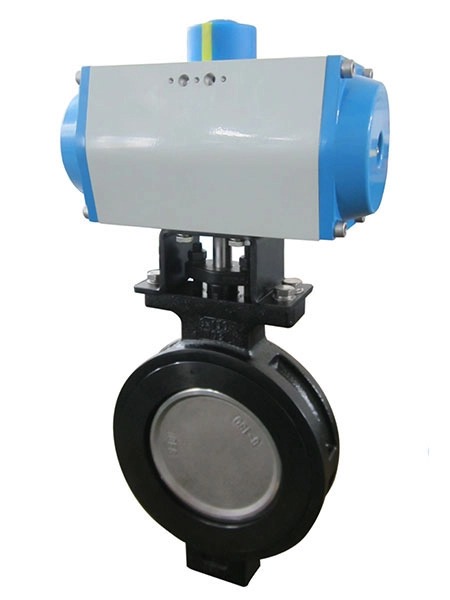
To fully appreciate why Pneumatic Double Eccentric Butterfly Valves dominate severe service, we must first understand the fundamental design difference that sets them apart from conventional butterfly valves. The "double eccentric" term refers to the positioning of the valve shaft and the centerline of the valve disc.
First Eccentricity: The shaft is positioned offset from the center of the valve body.
Second Eccentricity: The disc itself is mounted at an angle, offset from the valve's center.
This double offset minimizes the contact between the disc and the valve seat during operation, which reduces wear and improves the seal. As the valve is opened or closed, the disc moves away from the seat first, reducing friction and allowing for smoother operation compared to a concentric butterfly valve.
Additionally, the use of a Pneumatic actuator adds efficiency and precision to the control, making the valve ideal for applications where automated, reliable control is essential.
Why Double Eccentric Design is Essential for Severe Service
Durability in Extreme Conditions
One of the primary reasons why the double eccentric butterfly valve is favored for severe service applications is its exceptional durability. Severe service conditions often involve extreme pressure fluctuations, high temperatures, and the presence of abrasive or corrosive substances. The double eccentric design reduces the stress on both the valve body and the sealing surfaces, which prolongs the valve's life and ensures reliable performance over time.
The offset design ensures that there is no constant rubbing between the disc and the seat, a common failure point in other valve types, which results in wear and potential leakage. This design characteristic greatly extends the operational life of the valve, making it the go-to choice in industries where equipment longevity is a key concern.
Enhanced Sealing Capabilities
Another reason why the double eccentric butterfly valve is ideal for severe service is its superior sealing capabilities. The design of the valve creates a "cam-like" action as it opens and closes, which means the valve seat is not subjected to continuous friction. This cam action allows the valve to seat more securely, providing a tighter seal, even in the most demanding applications.
Moreover, the Pneumatic Double Eccentric Butterfly Valve can be equipped with specialized sealing materials such as PTFE or other advanced elastomers, which offer better resistance to high temperatures and aggressive chemicals. This makes the valve even more reliable for handling harsh environments.
Resistance to Wear and Tear
In many industrial applications, valves are exposed to particulate matter, corrosive gases, or high-temperature fluids. These conditions can lead to the erosion or degradation of conventional valve components over time. However, the double eccentric butterfly valve is designed to handle these challenges with greater ease.
The unique geometry of the valve, combined with the materials used in construction, helps resist damage from abrasive media. The offset design ensures that the valve disc remains properly aligned with the seat, reducing the chances of leaks or malfunctions that could occur with other designs.
Pneumatic Double Eccentric Butterfly Valves: A Critical Component
The integration of pneumatic actuators with double eccentric butterfly valves elevates their performance even further, especially in systems that require precise control and automation. Pneumatic actuators provide the force needed to open or close the valve, and their use in double eccentric butterfly valves enhances their ability to maintain a consistent flow regulation.
The Pneumatic Double Eccentric Butterfly Valve is particularly well-suited for applications where speed, responsiveness, and precision are crucial. Industries such as oil and gas, power generation, and chemical processing benefit significantly from the quick and reliable response times of pneumatic actuators, especially when dealing with fluctuating flow conditions or remotely controlled operations.
The Advantages of Pneumatic Actuators for Severe Service
Pneumatic actuators offer several distinct advantages in severe service environments. Some of the key benefits include:
High Response Time: Pneumatic actuators can quickly respond to control signals, making them ideal for high-speed applications.
Safety: In hazardous environments, pneumatic actuators can be a safer choice because they do not rely on electrical power, which could be a risk in explosive atmospheres.
Energy Efficiency: Pneumatic systems are often more energy-efficient than electric counterparts, especially when large-scale actuation is required.
These advantages make pneumatic actuators a natural fit for double eccentric butterfly valves, which need to operate efficiently under high pressure and extreme conditions.
Real-World Applications of Double Eccentric Butterfly Valves
Double eccentric butterfly valves are used in a variety of industries, including:
Oil and Gas: For controlling the flow of oil, natural gas, and petrochemical products in pipelines and processing plants.
Chemical Processing: In handling corrosive and abrasive fluids, where valve reliability is critical to safety and operational efficiency.
Power Generation: In regulating steam, gas, and other media in power plants, where precise control is necessary to maintain optimal performance.
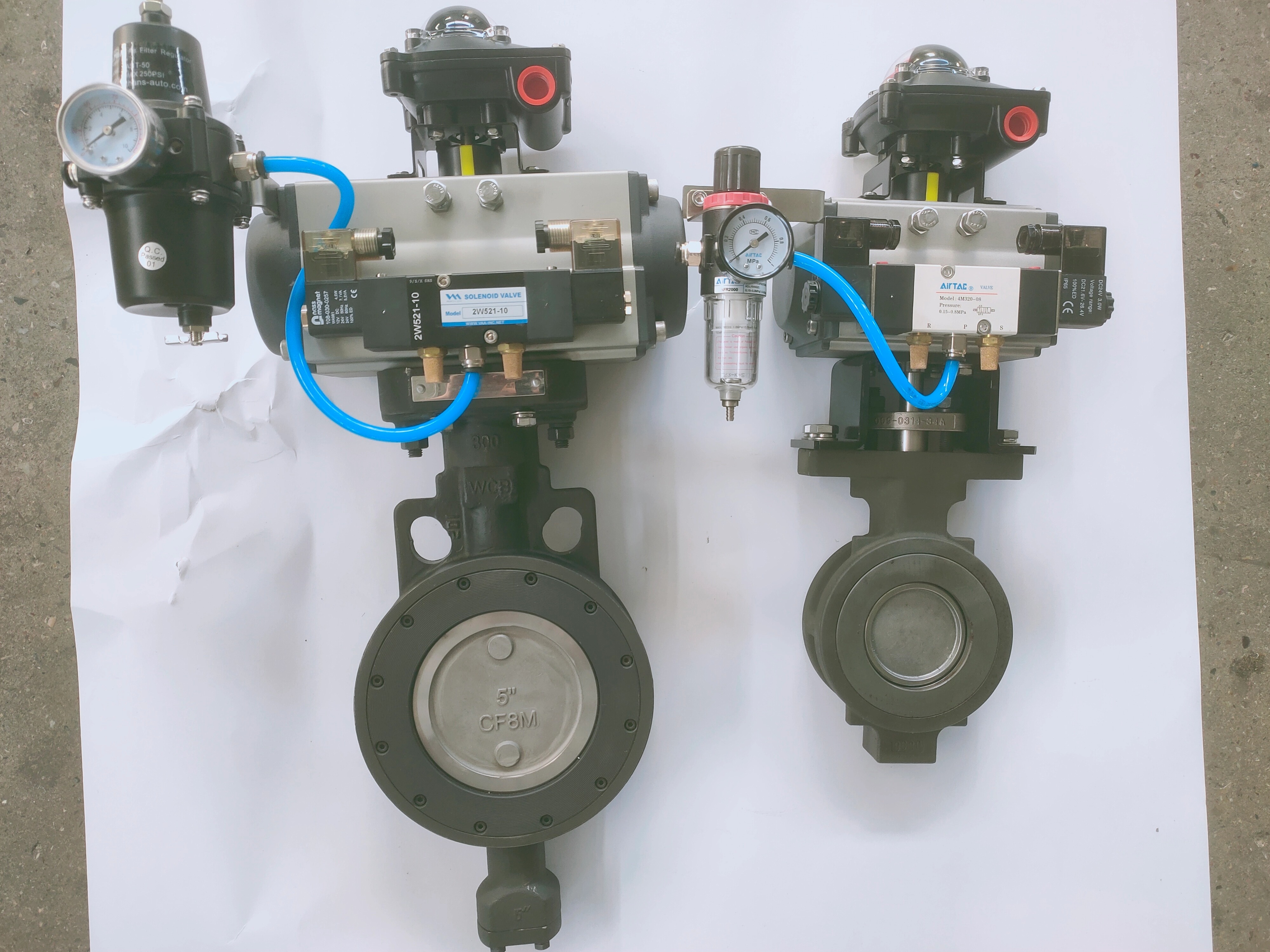
Each of these industries relies on the Pneumatic Double Eccentric Butterfly Valve for its robustness and ability to perform under extreme conditions.
Challenges and Considerations in Selecting Double Eccentric Butterfly Valves
While double eccentric butterfly valves are highly effective in severe service applications, there are still considerations that need to be addressed when selecting the right valve for a given application. Some of the key factors include:
Material Compatibility: The valve’s materials must be compatible with the fluid or gas being handled to prevent corrosion or failure.
Size and Flow Requirements: Ensuring that the valve is properly sized to handle the flow rate and pressure of the system.
Maintenance Needs: While these valves are durable, they still require regular inspection and maintenance, especially in harsh environments.
By understanding these factors, industries can better determine the right valve for their needs, ensuring optimal performance and longevity.
Conclusion
The Pneumatic Double Eccentric Butterfly Valve stands out as the industrial standard for severe service applications, providing exceptional performance, durability, and efficiency. Its unique double eccentric design allows it to handle extreme conditions with ease, while the integration of pneumatic actuators ensures precise and reliable control. Whether it's for oil and gas, chemical processing, or power generation, this valve's ability to perform under pressure, temperature, and flow extremes makes it indispensable for industries that demand the highest level of reliability and control.
FAQ
1. What is the difference between a double eccentric butterfly valve and a concentric butterfly valve?
A double eccentric butterfly valve features a shaft and disc that are offset from the centerline, reducing friction between the disc and seat. This contrasts with a concentric butterfly valve, where the shaft and disc are centered, leading to greater wear and less effective sealing.
2. Why is a pneumatic actuator used with a double eccentric butterfly valve?
Pneumatic actuators provide fast, precise control, making them ideal for applications where responsiveness is key. They also offer greater reliability and safety in hazardous environments.
3. Can double eccentric butterfly valves be used for highly corrosive fluids?
Yes, the materials used in the construction of double eccentric butterfly valves can be selected to withstand corrosive fluids, making them suitable for challenging chemical processing applications.
4. How do double eccentric butterfly valves handle high pressure?
The design of double eccentric butterfly valves allows them to manage high pressure effectively by reducing stress on critical components, ensuring a tight seal and smooth operation even in extreme conditions.


